
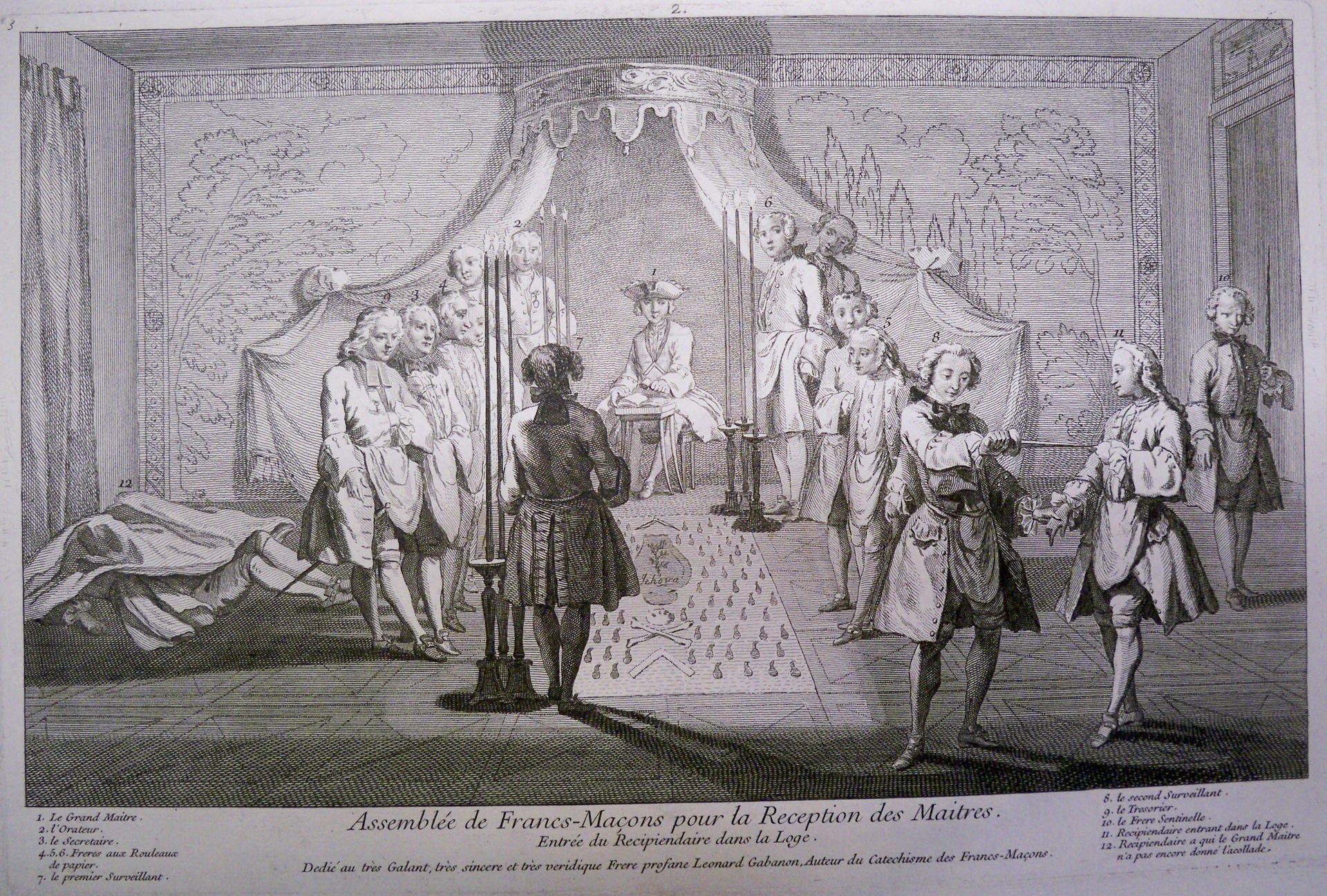
The oldest documents of the Craft tell how the masons of the Middle Ages understood their art, their duties and their history. They are given here in their original wording, from public-domain editions.
- about 1390
The Regius Poem
The oldest known document of the Craft: a poem of 794 lines in Middle English that sets out the legendary history of masonry and the fifteen articles and fifteen points that bound the master and the fellows. The manuscript belongs to the old Royal Library of England and is now in the British Library (Royal MS 17 A I).
Read the text - about 1450
The Cooke Manuscript
The second oldest of the Old Charges. It joins a history of geometry and masonry, from Lamech’s sons to the building of the Temple, to the articles and points of the Craft. The manuscript is in the British Library (Additional MS 23198).
Read the text - 1723
The Charges of a Free-Mason
The six Charges printed by James Anderson in the first Book of Constitutions of the premier Grand Lodge of England. They define the duties of a Freemason to God, to the civil power, to his Lodge, to his Brethren and to himself, and remain the foundation of the law of regular Freemasonry.
Read the text - nineteenth century
The Masonic Moral Code
A short code of conduct in the French Masonic tradition, beginning “Adore the Great Architect of the Universe”. Its author and first date are unknown; the earliest printing found is that of E. Pascallet, Paris, 1854.
Read the text - 1858
The Twenty-five Landmarks
The list of the Landmarks of Freemasonry drawn up by Albert G. Mackey, the most widely cited statement of the ancient and unchangeable rules of the Craft.
Read the text